Electronic Musical Instruments: Revolutionizing the Soundscape


 Locked


Electronic Musical Instruments: Revolutionizing the Soundscape
 
|
 In the world of music, Us.Donnermusic.Com have emerged as a transformative force, reshaping how artists create, perform, and interact with sound. Whether you're a seasoned musician or an aspiring composer, understanding electronic instruments can significantly enhance your musical journey. ### What Are Electronic Musical Instruments? Electronic musical instruments are devices that produce sound using electronic circuits and technology. Unlike traditional acoustic instruments, which rely on physical vibration of materials, electronic instruments harness electrical signals to generate sound. This category includes synthesizers, drum machines, electric pianos, and more, each offering unique sounds and functionalities. ### The Evolution of Electronic Instruments The journey of electronic musical instruments began in the early 20th century, with pioneering devices like the theremin and the Ondes Martenot. Over the decades, advancements in technology have led to the creation of iconic synthesizers such as the Moog and the Roland TR-808. The introduction of MIDI (Musical Instrument Digital Interface) in the 1980s further revolutionized the field, allowing for seamless communication between devices and enabling musicians to control multiple instruments simultaneously.  ### Why Choose Donner DED-80 Electric Drum Set? 1. **Versatility**: One of the standout features of electronic musical instruments is their versatility. Whether you want to emulate the sound of a grand piano or create futuristic soundscapes, electronic instruments can produce a wide range of tones and styles. 2. **Portability**: Many electronic instruments are designed to be compact and lightweight, making them ideal for musicians on the go. Whether performing live or composing in a home studio, portability is often a key consideration. 3. **Sound Design**: With built-in editing capabilities, musicians can manipulate sounds in real-time, creating unique soundscapes that would be challenging to achieve with traditional instruments. This flexibility allows for greater creativity and experimentation in music production. 4. **Integration with Technology**: Modern electronic instruments often integrate seamlessly with software and digital audio workstations (DAWs). Musicians can record, edit, and produce tracks with ease, making the production process more efficient and accessible. ### Popular Types of weighted keyboard 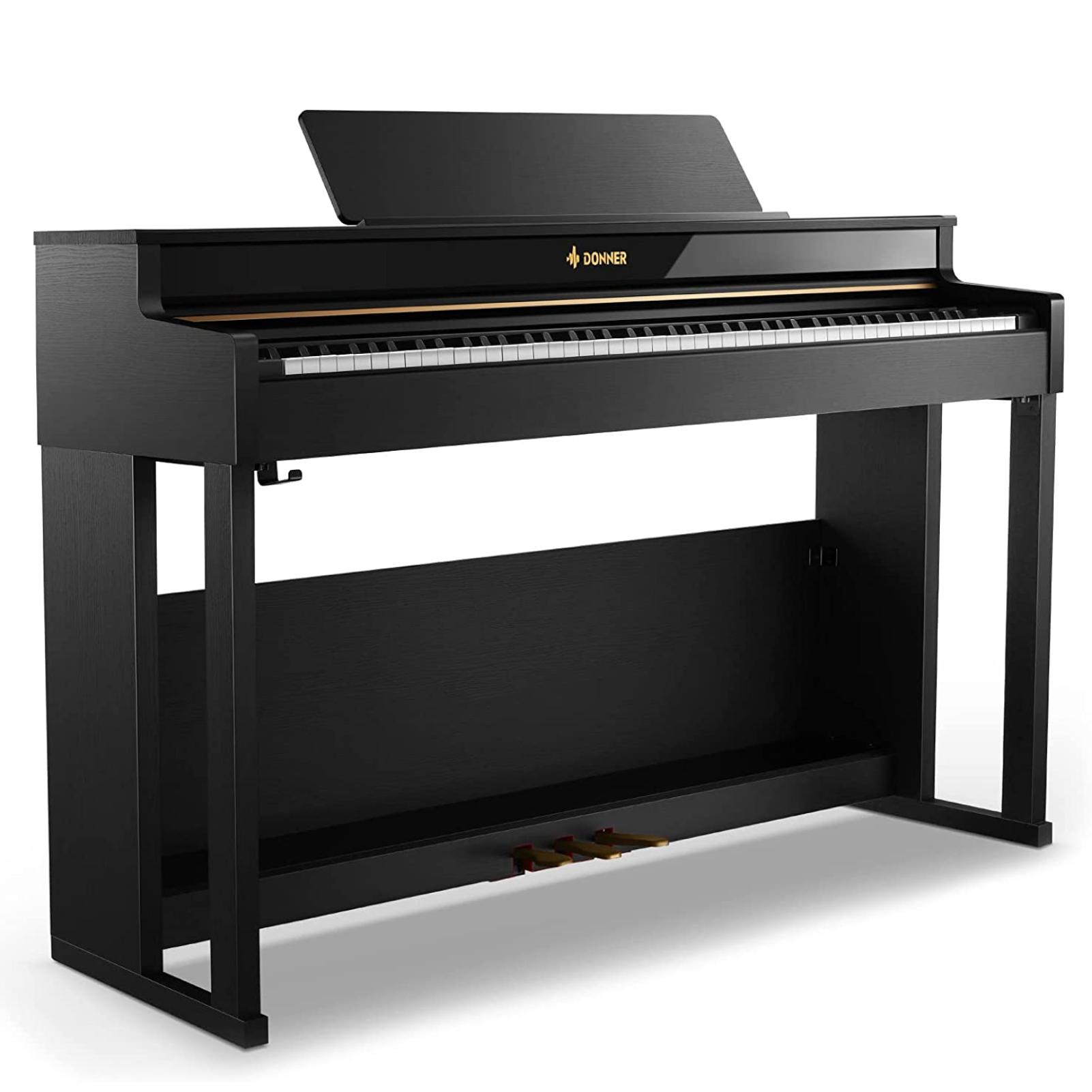 1. **Synthesizers**: These instruments generate audio signals using oscillators, filters, and modulation. From classic analog to modern digital synthesizers, they are a staple in genres like electronic, pop, and hip-hop. 2. **Drum Machines**: Drum machines create rhythmic patterns and beats, offering an alternative to traditional drumming. They are widely used in dance music and hip-hop for creating intricate rhythms. 3. **Digital Pianos and Keyboards**: These instruments replicate the sound and feel of acoustic pianos but offer additional features like various instrument voices, recording capabilities, and MIDI connectivity. 4. **Samplers**: Samplers allow musicians to record and manipulate audio snippets. They can be used to create everything from realistic instrument sounds to abstract audio effects. ### The Future of Electronic Instruments As technology continues to evolve, the future of electronic musical instruments looks promising. Emerging technologies like artificial intelligence and machine learning are being integrated into instrument design, offering new possibilities for sound creation and interactive music experiences. Additionally, the rise of virtual reality and augmented reality may change how musicians engage with electronic instruments, paving the way for innovative performance formats. ### Conclusion Electronic musical instrument have transformed the landscape of music creation, providing artists with a powerful toolkit for expression. Their versatility, portability, and integration with digital technology have made them essential for musicians across all genres. As the world of electronic music continues to evolve, these instruments will undoubtedly play a pivotal role in shaping the soundscape of the future. Whether you're a professional or a beginner, exploring the expansive world of electronic musical instruments can unlock new creative avenues and enhance your musical endeavors. |
«
Return to (DEPRECATED) Apache Flink User Mailing List archive.
|
1 view|%1 views
| Free forum by Nabble | Edit this page |